Natalie Williams Counselling

Sex and Pornography addiction Counselling in Wokingham; covering Reading, Windsor, HenlEy and the surrounds, as well as Online


'}}

The Hidden Impact of Porn and Sexualised Content on Young People’s Mental Health. A Growing Problem That Requires a Compassionate Response.

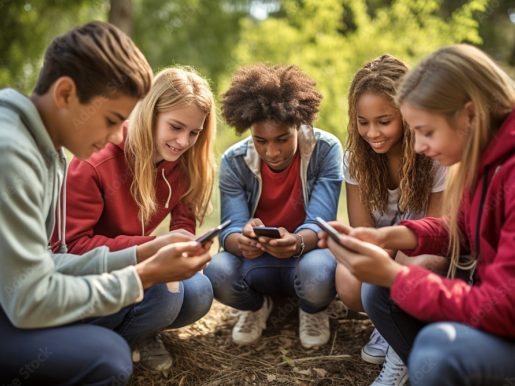
In today’s world, sexualised content is everywhere. From social media trends to ads and easily accessible pornography, young people are growing up in a culture where sexual imagery feels normal, expected, and unavoidable. But beneath the surface, this constant exposure can have an impact for developing minds.  Technology is evolving faster than our ability to protect and educate young people and even ourselves as adults. This is where open and intentional conversations about what and how our young people are experiencing the internet, sexual content, pornography and relationships are more important than ever.   Through acknowledging the hidden impact of our sexualised online culture, we can help young people build healthier relationships—with themselves, with others, and with technology.   
  1. Early Sexualisation and Identity Confusion
Children and teens are forming their sense of self before they understand healthy sexuality. When they’re flooded with sexualised images on line it can shape how they see their bodies, their worth, and their expectations of relationships. We tend to make comparisons with others and young people (as well as less young!) begin to believe that their value is tied to looking desirable online, which can erode confidence. 
  1. Distorted Expectations of Sex and Relationships
Easy access to porn (research consistently shows often by age 11 or 12) means many young people learn about sex from actors, before they learn about consent, communication, or emotional connection. Pornography presents sexual acts without context, boundaries, or realism, leading to deeply skewed expectations. This can result in pressure, performance anxiety, and a belief that intimacy must mirror what they see online. 
  1. Increased Anxiety, Shame, and Secrecy
When young people encounter explicit content before they are emotionally ready, they often feel confused, guilty, or ashamed. Because it's hard to talk openly about it, many hide their experiences, creating an internal struggle that fuels anxiety and secrecy. For some, repeated exposure can lead to compulsive viewing patterns which confuses arousal with shame and other negative feelings.  
  1. Body Image Pressure and Comparison Culture
Social media platforms reward sexualised content with likes, comments, and visibility. Teens learn quickly that showing more skin can bring more attention. This creates a constant pressure to compare their bodies to influencers, celebrities, and their peers—often driving low self-esteem or self-criticism. 
  1. Emotional Numbness and Desensitisation
Over time, constant exposure to sexual imagery can dull emotional responses. Young people may find it harder to feel connected, aroused, or satisfied in real-life interactions which can lead to loneliness and isolation.  What can we do? Supporting young people starts with empathy, openness, and honest conversations, despite these often not being easy topics to talk about for anyone. When we create safe spaces—at home, in schools, and in therapeutic settings—we allow young people to explore their feelings, ask questions, and try to make sense of the digital world they’re navigating. By talking openly about pornography, sexualised content, and online pressures, we can help them build confidence, resilience, and healthy relationships.  If anything in this blog resonates with you, or if you’d like support for yourself or a young person in your life, please feel free to reach out. You don’t have to navigate these challenges alone. 
'}}

Let’s talk about SHAME

Explore how shame and sexual shame affect self-esteem and relationships — and how counselling can help you heal and reconnect with yourself.
'}}

The Impact of Sex Addiction on an Intimate Partner

When someone discovers their partner is struggling with sex addiction, the impact can be devastating. While much of the focus is often placed on the person with the addiction, it’s important to recognise the deep emotional, psychological, and relational toll it can take on their intimate partner. Understanding these effects can help reduce isolation and encourage both partners to seek the right support. Emotional Pain and Betrayal The discovery of sex addiction often feels like a profound betrayal. Many partners describe the experience as having the “rug pulled from under them.” […]
'}}

Struggling with your sexual behaviours? Learn what it is, why it happens, and how counselling can help you change your relationship with compulsive sexual behaviours and start your path to recovery.

Struggling to control your sexual behaviours? Sex addiction is more common than many realise — and it often stems from deeper emotional pain or trauma. This blog explores what sex addiction is, why it happens, and how counselling can help you break free from shame, rebuild trust in yourself, and start the path to recovery.      
  • 1
  • 2

© Natalie Williams

powered by WebHealer